Impact Factor


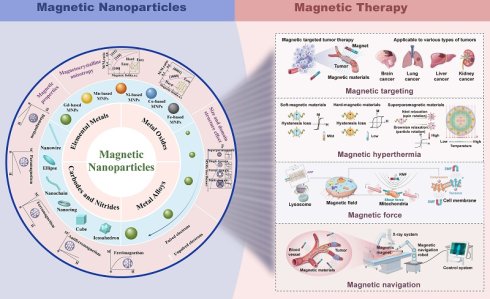
Review Recent progress in magnetic nanoparticles: classification, morphological features, and applications for cancer treatment Full text PDF
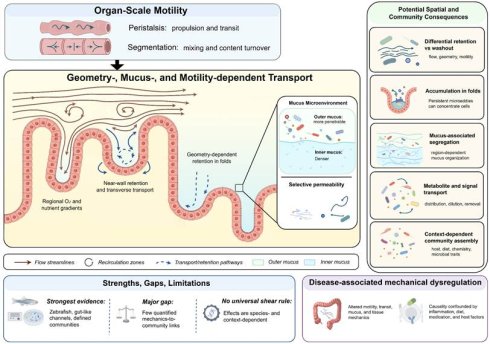
Review The biomechanics of the gut in mechanical regulation of microbial ecology and translational opportunities Full text PDF
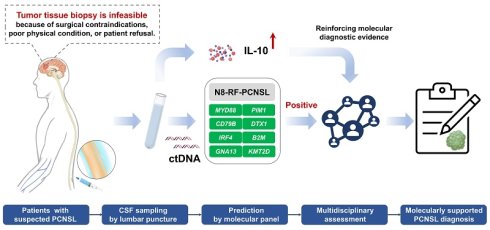
Research Paper A CSF ctDNA-based molecular panel for minimally invasive diagnosis of primary CNS lymphoma Full text PDF
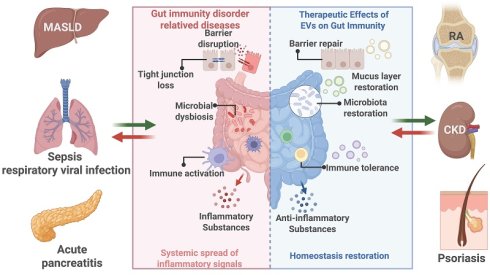
Review Engineered extracellular vesicle therapies for regulating gut immunity: advances and challenges Full text PDF
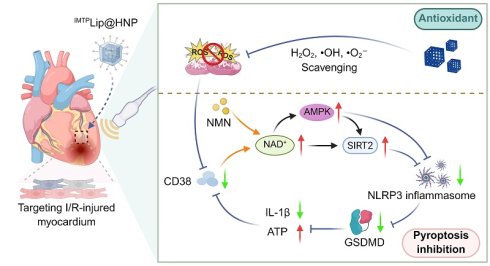
Research Paper Ultrasound-activated dual-defensive nanoprotectant breaks the NAD+ vicious cycle to suppress NLRP3-mediated pyroptosis in myocardial ischemia/reperfusion injury Full text PDF
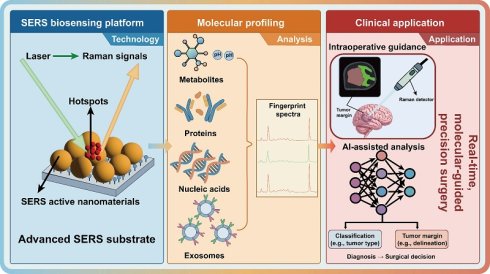
Review Surface-enhanced Raman spectroscopy for glioma: from molecular profiling to intraoperative navigation Full text PDF
Issue 14; 2026
Founding Editor-in-Chief:
Prof. Xiaoyuan (Shawn) Chen, PhD
Profile
Theranostics publishes innovative research articles reflecting the fields of in vitro diagnostics and prognostics, in vivo molecular imaging, molecular therapeutics, image-guided therapy, biosensors, system biology and translational medicine, personalized medicine and a broad spectrum of biomedical research that can be applied to future theranostic applications.
- Theranostics is indexed by Science Citation Index (SCI) and MEDLINE. (Full index information)
- Full texts of articles in PubMed Central and Europe PMC. Abstracts in PubMed.
- (For NIH-funded researchers) Save time by submitting your paper to us - this journal is in full compliance with NIH Public Access Requirement.
Special Issue - Advanced Cell and Gene Therapy Strategies for Precision Treatment of Autoimmune Diseases. Theme issue editors: Weisheng Guo (Guangzhou Medical University), Xiaoyuan Chen (Shandong Cancer Hospital and Institute).
The intestine is a mechanically dynamic habitat in which motility, luminal flow, mucosal geometry, mucus rheology, and wall deformation jointly shape microbial transport, retention, washout, adhesion, and spatial organization. Emerging studies further show that bacteria can respond to mechanical cues through force-dependent adhesion, appendage-mediated surface sensing, rheotaxis, c-di-GMP signaling, and flow-regulated signal transport. Host mechanotransduction ...